
 Written by
 Property owners, both residential and commercial, should be aware that there is a bill being considered by Parliament, the Minimum Energy Performance of Buildings (No. 2) Bill (the “Bill), that seeks to increase the minimum energy efficiency standards for all buildings in England and Wales.
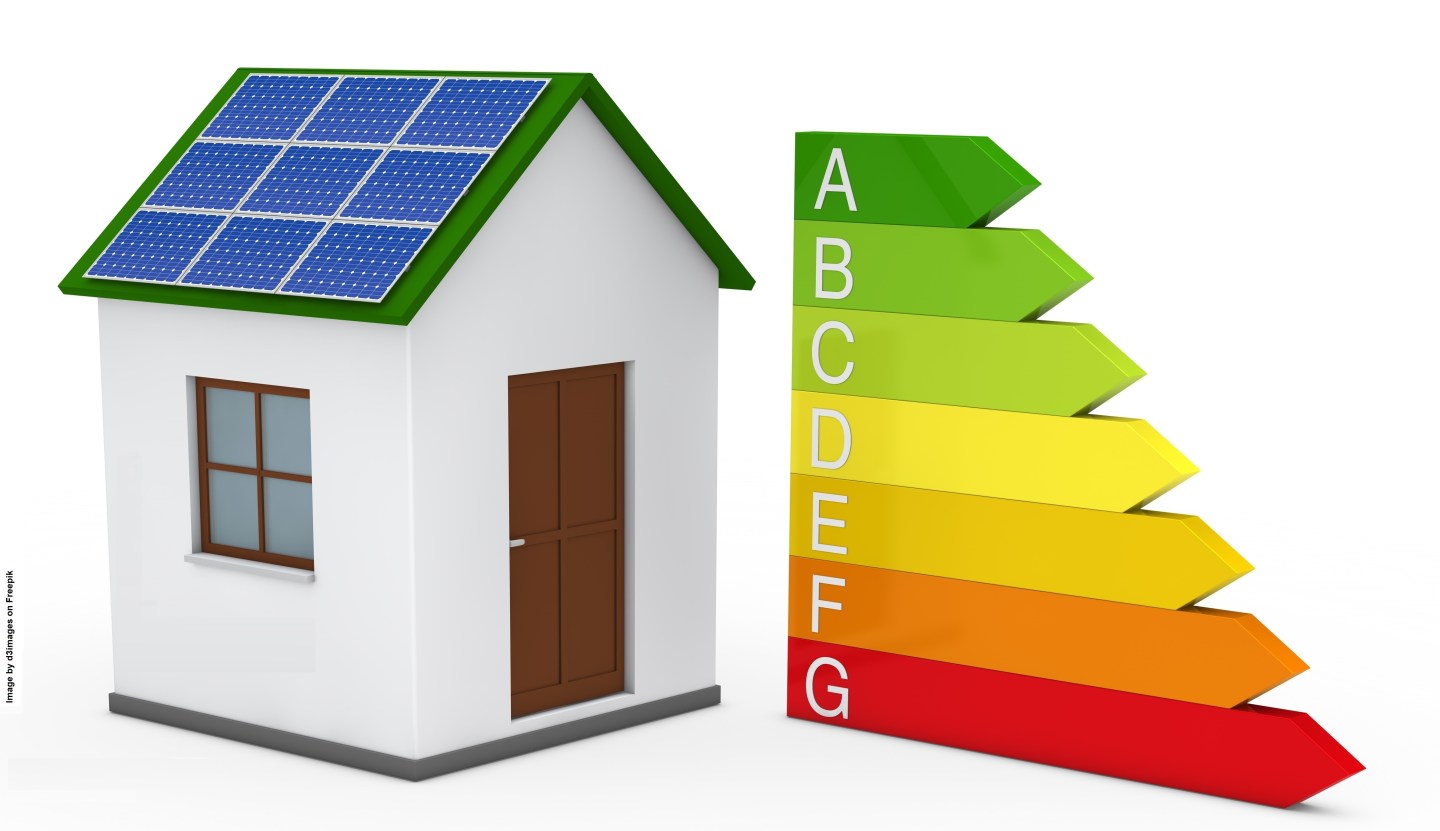
Introduced in 2007, an Energy Performance Certificate, typically referred to as an ‘EPC’, is a certificate which provides property owners with details of a property’s energy efficiency, graded from ‘A’ (most efficient) to ‘G’ (least efficient). If implemented, the new Bill (which is currently on a second reading in Parliament) would make it illegal for domestic rental properties in England and Wales rated below Band ‘C’ to be let to tenants. For new tenancies, the requirement would take effect from 31 December 2025; for existing tenancies, the deadline would be 31 December 2028. Owner-occupied properties must achieve Band ‘C’ by 2035, whilst all rented non-domestic properties must achieve Band ‘B’ by 2030.
The new measures are part of a government drive to improve the energy efficiency of buildings, combat waste and reduce carbon emissions. In 2018, regulations were introduced that made it illegal to rent out a residential property with an EPC rating of less than ‘E’. The same regulations became applicable to domestic owner-occupied properties in 2020. The new Bill will increase this minimum standard even further as part of the sector-wide movement towards more energy efficient buildings, and there will be fines for failure to comply.
The challenge facing many landlords and property owners is, where their buildings have an EPC rating of less than ‘C’, what improvements they ought to be making to meet these new minimum standards. EPCs are issued with recommendation reports which give property owners details of improvements that can be made to increase its energy performance, for example, by installing insulation, replacing single glazed windows or switching to low energy lighting, so that is a good place to start.
Many landlords and property owners will however be just as concerned with the overall cost of implementing these improvements as they will with the improvements themselves. The Bill includes certain exemptions, and caps on the cost of making improvements, but it remains to be seen whether such protection wording remains in the Bill as it makes its way through Parliament.
If you are a landlord or homeowner, and you would like to speak to a legal specialist about the energy efficiency of your property, please contact our Property team today.